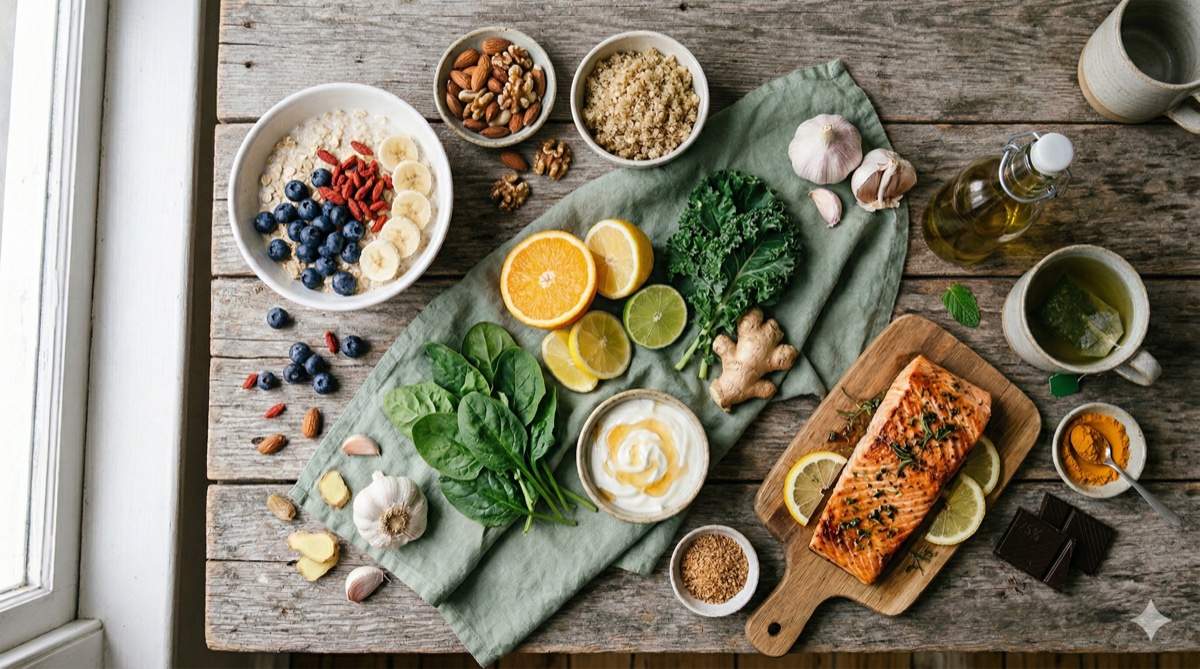
What you eat directly influences how you feel, think, and function. The right foods can provide sustained energy throughout your day, strengthen your immune defenses, and support healthy aging. While no single food is a magic bullet, certain nutrient-dense superfoods offer remarkable benefits when incorporated into a balanced diet[1].
What Makes a Food "Super"?
The term "superfood" isn't a scientific classification—it's a way to describe foods that are exceptionally rich in nutrients and health-promoting compounds. These foods typically contain high levels of antioxidants, vitamins, minerals, and other beneficial substances that support your body's natural processes.
Superfoods for Sustained Energy
Fatigue affects countless people daily. Rather than reaching for another coffee, consider these energy-boosting superfoods that provide lasting vitality without the crash.
Berries
Blueberries, acai berries, and goji berries are packed with antioxidants that protect your cells from oxidative stress. Their natural sugars provide a gentle energy boost, whilst their fiber content ensures stable blood sugar levels. Add a handful to your morning porridge or smoothie for a vibrant start to your day.
Oats
Rich in complex carbohydrates and fiber, oats release energy slowly and steadily. They contain beta-glucan, a type of fiber that helps maintain stable blood sugar and supports heart health. A bowl of porridge in the morning can keep you energized for hours—especially valuable when you're working towards better work-life balance.
Bananas
Nature's perfect portable snack, bananas provide quick energy from natural sugars alongside potassium, vitamin B6, and fiber. They're particularly effective before or after exercise, helping to fuel and replenish your muscles.
Nuts and Seeds
Almonds, walnuts, chia seeds, and pumpkin seeds offer healthy fats, protein, and minerals like magnesium and zinc. These nutrients are essential for energy production at the cellular level. A small handful makes an excellent afternoon snack when you feel your energy dipping.
Quinoa
Unlike most plant foods, quinoa is a complete protein containing all nine essential amino acids. Combined with complex carbohydrates and fiber, it provides sustained energy whilst supporting muscle repair and growth.
Superfoods for Immune Support
Your immune system works tirelessly to protect you from illness. These foods provide the nutrients your immune cells need to function optimally.
Citrus Fruits
Oranges, lemons, grapefruits, and limes are renowned for their vitamin C content. Vitamin C supports normal immune-cell function and acts as an antioxidant, though supplementing beyond what a varied diet provides has not been shown to prevent illness in well-nourished people. Since your body doesn't produce or store vitamin C, daily intake is important.
Garlic
Used for centuries for its medicinal properties, garlic contains allicin, a compound with antimicrobial and immune-enhancing effects. Regular consumption may help reduce the severity and duration of common illnesses. Add it raw to dressings or lightly cooked to preserve its benefits.
Ginger
This warming root has anti-inflammatory and antioxidant properties that support immune function. It's particularly soothing for digestive discomfort and may help reduce inflammation throughout the body. Try fresh ginger tea or add grated ginger to stir-fries.
Leafy Greens
Spinach, kale, and Swiss chard are rich in vitamins A, C, and E, alongside antioxidants and fiber. These nutrients support immune cell production and function. For maximum benefit, cook them lightly or enjoy raw in salads—overcooking can diminish their vitamin content.
Yoghurt and Fermented Foods
Probiotic-rich foods like yoghurt, kefir, sauerkraut, and kimchi support gut health, which is closely linked to immune function. Approximately 70% of your immune system resides in your gut, making these foods particularly valuable for overall immunity.
Superfoods for Longevity
Research into the world's "Blue Zones"—regions where people live exceptionally long lives—reveals that diet plays a crucial role in healthy aging. These foods are associated with longevity and reduced risk of chronic disease.
Fatty Fish
Salmon, mackerel, sardines, and anchovies are rich in omega-3 fatty acids, which support heart and brain health. Regular consumption is associated with reduced inflammation, improved cognitive function, and lower risk of cardiovascular disease. Aim for two servings per week.
Extra Virgin Olive Oil
A cornerstone of the Mediterranean diet, olive oil contains monounsaturated fats and polyphenol antioxidants that support heart health and reduce inflammation. Use it as your primary cooking oil and salad dressing base.
Green Tea
Rich in catechins, particularly EGCG, green tea offers powerful antioxidant protection. Regular consumption is associated in observational research with better cognitive measures and lower risk of several chronic diseases. Effects on body weight are small and inconsistent. Enjoy it throughout the day as a calming, healthful beverage.
Turmeric
This golden spice contains curcumin, a compound with potent anti-inflammatory and antioxidant properties. To enhance absorption, combine turmeric with black pepper and a source of fat. It's delicious in curries, golden milk, or smoothies.
Dark Chocolate
Good news for chocolate lovers—dark chocolate (70% cocoa or higher) is rich in flavonoids that support heart health and cognitive function. It also contains minerals like iron, magnesium, and copper. Enjoy a small square as a satisfying, beneficial treat.
Incorporating Superfoods Into Your Daily Routine
Adding these powerful foods to your diet needn't be complicated. Here are simple ways to include them daily:
- Morning: Start with porridge topped with berries and nuts, or a smoothie with spinach, banana, and chia seeds.
- Lunch: Build salads with leafy greens, quinoa, and olive oil dressing. Add leftover fish or a handful of seeds.
- Snacks: Keep nuts, fresh fruit, and dark chocolate on hand for nutritious between-meal options.
- Dinner: Include fatty fish twice weekly. Use garlic, ginger, and turmeric liberally in cooking.
- Beverages: Replace some coffee with green tea. Start your day with warm lemon water.
A Note on Interactions
| Supplement | Known interaction | Check first if |
|---|---|---|
| Turmeric / curcumin | May add to the effect of anticoagulants and antiplatelet drugs | You take warfarin, a DOAC, aspirin or clopidogrel |
| Ginger | Same anticoagulant concern at supplement doses | You take blood thinners, or have surgery scheduled |
| Grapefruit and some citrus | Inhibits CYP3A4, raising blood levels of many common medicines | You take statins, some blood pressure drugs or immunosuppressants |
| Green tea extract | Rarely linked to liver injury; also contains meaningful caffeine | You have liver disease, or take other hepatotoxic medication |
| Any of the above | Safety in pregnancy is generally not established at extract doses | You are pregnant or breastfeeding |
Concentrated forms of these foods are not automatically safe. Turmeric and ginger supplements can interact with anticoagulants, grapefruit and some other citrus interfere with a number of common medicines, and green tea extract has been linked to liver injury in rare cases. Culinary amounts are a different matter from supplements. If you take prescription medication, are pregnant, or have a liver, kidney or thyroid condition, check with a pharmacist or doctor before adding concentrated extracts.
The Importance of Variety and Balance
While superfoods offer impressive benefits, they work best as part of a varied, balanced diet. No single food provides all the nutrients your body needs. Focus on eating a rainbow of colorful fruits and vegetables, adequate protein, healthy fats, and whole grains.
Remember that nutrition is just one pillar of wellness. Quality sleep, regular physical activity, stress management, and nurturing relationships all contribute to energy, immunity, and longevity. Your mental wellbeing is equally important—take time to nourish your mind as well as your body.
Start with one or two superfoods that appeal to you and gradually expand your repertoire. Small, consistent changes lead to lasting habits. Every nutritious choice is an investment in your future health and vitality.
References
- Grosso G, Micek A, Godos J, et al. "Dietary flavonoid and lignan intake and mortality in prospective cohort studies." American Journal of Epidemiology, 2017. https://doi.org/10.1093/aje/kww207.
- Seeram NP. "Berry fruits: compositional elements, biochemical activities, and the impact of their intake on human health, performance, and disease." Journal of Agricultural and Food Chemistry, 2008. https://doi.org/10.1021/jf071988k.
- Aune D, Keum N, Giovannucci E, et al. "Whole grain consumption and risk of cardiovascular disease, cancer, and all cause and cause specific mortality." BMJ, 2016. https://doi.org/10.1136/bmj.i2716.
- Swanson D, Block R, Mousa SA. "Omega-3 fatty acids EPA and DHA: health benefits throughout life." Advances in Nutrition, 2012. https://doi.org/10.3945/an.111.000893.
- Harvard T.H. Chan School of Public Health. "Antioxidants." The Nutrition Source, 2023.
Frequently Asked Questions
What are the best superfoods for daily energy?
Blueberries, spinach, salmon, nuts and seeds, and fermented foods are among the best for sustained energy, providing antioxidants, omega-3s, and gut-friendly bacteria.
Can superfoods boost immunity?
Yes, superfoods rich in vitamin C, zinc, and antioxidants—like citrus, berries, and garlic—support immune cell function and reduce inflammation.
Do I need expensive supplements or can I get enough from food?
A varied diet rich in whole foods provides most of the benefits attributed to superfoods. Supplements are rarely necessary when you eat a nutrient-dense, colorful diet.