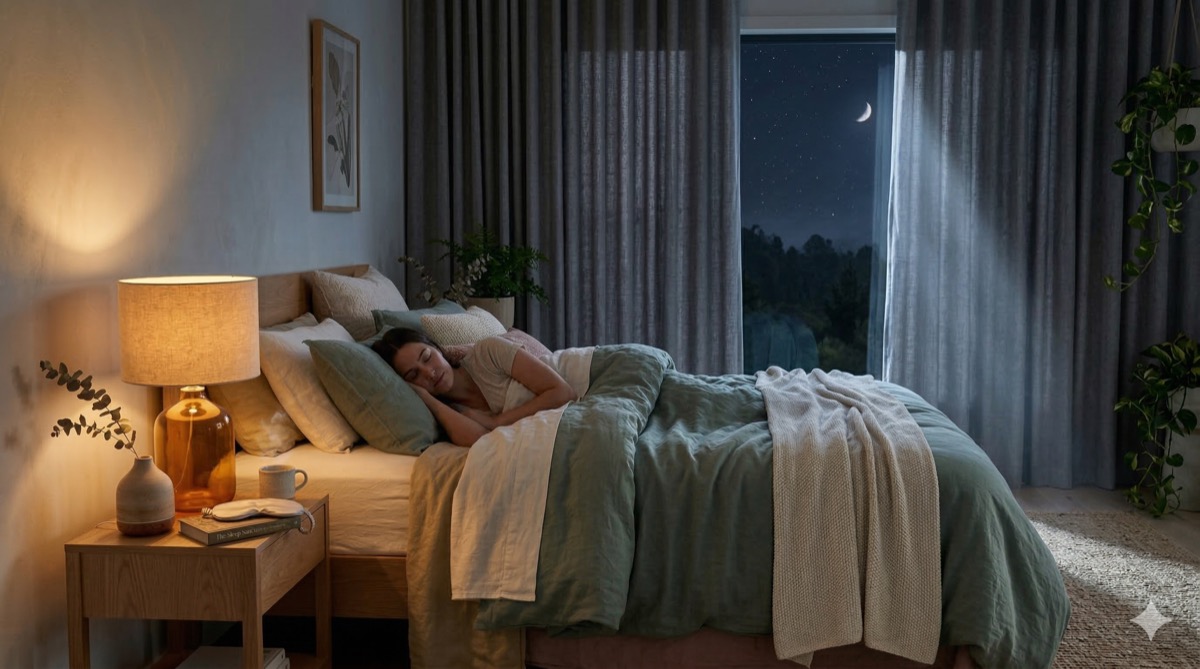
Quality sleep is the foundation of good health, yet many of us struggle to get enough restorative rest. Sleep hygiene—the collection of habits and practices that influence sleep quality—can transform your nights and, consequently, your days.[1]
Why Sleep Hygiene Matters
Sleep affects every aspect of your well-being: your immune system, emotional regulation, cognitive function, and even your metabolism. Poor sleep is linked to increased stress, weight gain, weakened immunity, and reduced mental clarity. The good news? Small, consistent changes can yield remarkable improvements.
Creating Your Ideal Sleep Environment
Temperature
Your body temperature naturally drops as you fall asleep. A cooler room—between 16–19°C (60–67°F)—facilitates this process. Consider breathable bedding and moisture-wicking fabrics if you tend to sleep hot.
Darkness
Darkness signals your brain to produce melatonin, the sleep hormone. Invest in blackout curtains or a comfortable sleep mask. Even small amounts of light from electronics or streetlamps can disrupt your sleep cycles.
Quiet
A quiet environment is ideal, but not always possible. If noise is unavoidable, white noise machines or apps can mask disruptive sounds. Earplugs designed for sleep can also be helpful.
Comfort
Your mattress and pillow should support your body properly. If you wake with aches and pains, it may be time to reassess your sleep surface. The right bedding can make a significant difference in sleep quality.
Building a Sleep Routine
Consistent Schedule
Your body thrives on rhythm. Going to bed and waking at the same time daily—even on weekends—strengthens your circadian rhythm. This regularity makes falling asleep and waking naturally easier over time.
Wind-Down Ritual
Create a 30–60 minute buffer between your busy day and sleep. This might include:
- Gentle stretching or yoga
- Reading a physical book (not on a screen)
- Journaling or gratitude practice
- Warm bath or shower
- Calming breathing exercises
Daytime Habits for Better Nights
Morning Light Exposure
Getting natural light within the first hour of waking helps set your circadian clock. Even 10–15 minutes of morning sunlight can improve nighttime sleep.
Exercise
Regular physical activity promotes deeper sleep. However, vigorous exercise within 2–3 hours of bedtime may be too stimulating. Gentle movement like walking or stretching is fine in the evening.
Caffeine Management
Caffeine has a half-life of about 5–6 hours, meaning afternoon coffee can still affect your sleep at night. Consider limiting caffeine to before 2pm, or switch to decaffeinated options later in the day.
Digital Hygiene
Screens emit blue light that suppresses melatonin production. Additionally, the content we consume—emails, news, social media—can be mentally stimulating. Aim to stop screen use at least one hour before bed. If you must use devices, enable night mode or blue-light filtering.
Foods and Sleep
What you eat affects how you sleep. Avoid heavy meals close to bedtime, but don't go to bed hungry. Some sleep-friendly foods include:
- Chamomile tea
- Tart cherry juice (natural melatonin)
- Kiwi fruit
- Walnuts and almonds
- Complex carbohydrates in moderation
When to Seek Help
If you consistently struggle with sleep despite good sleep hygiene, or if you experience symptoms like chronic snoring, gasping during sleep, or excessive daytime sleepiness, consult a healthcare provider. These may indicate sleep disorders that require professional treatment.
Start Tonight
You don't need to implement every change at once. Choose one or two areas to focus on this week. Perhaps start with a consistent bedtime and a 30-minute wind-down routine. As these become habits, add more elements gradually. Better sleep is a journey, not a destination—and every positive choice you make brings you closer to the restorative rest you deserve.
References
- Hirshkowitz M, Whiton K, Albert SM, et al. "National Sleep Foundation's sleep time duration recommendations: methodology and results summary." Sleep Health, 2015. https://doi.org/10.1016/j.sleh.2014.12.010.
- Irwin MR. "Sleep and inflammation: partners in sickness and in health." Nature Reviews Immunology, 2019. https://doi.org/10.1038/s41577-019-0190-z.
- Harvard Medical School. "Blue light has a dark side." Harvard Health Publishing, 2020. https://www.health.harvard.edu/health-a-to-z/blue-light-has-a-dark-side.
- Walker MP. "Why We Sleep: Unlocking the Power of Sleep and Dreams." Scribner, 2017. https://doi.org/10.1146/annurev-neuro-070815-013633.
- Drake CL, Roehrs T, Roth T. "Insomnia causes, consequences, and therapeutics: an overview." Depression and Anxiety, 2003. https://doi.org/10.1002/da.10150.