That afternoon slump after a sugary treat. The irritability that creeps in after a week of processed foods. The brain fog that makes everything feel harder than it should. If you have ever noticed that what you eat directly affects how you feel emotionally, you are not imagining it—the connection between your gut and your mood is real, and sugar plays a bigger role than most people realize.[1]
Your Gut: The Second Brain
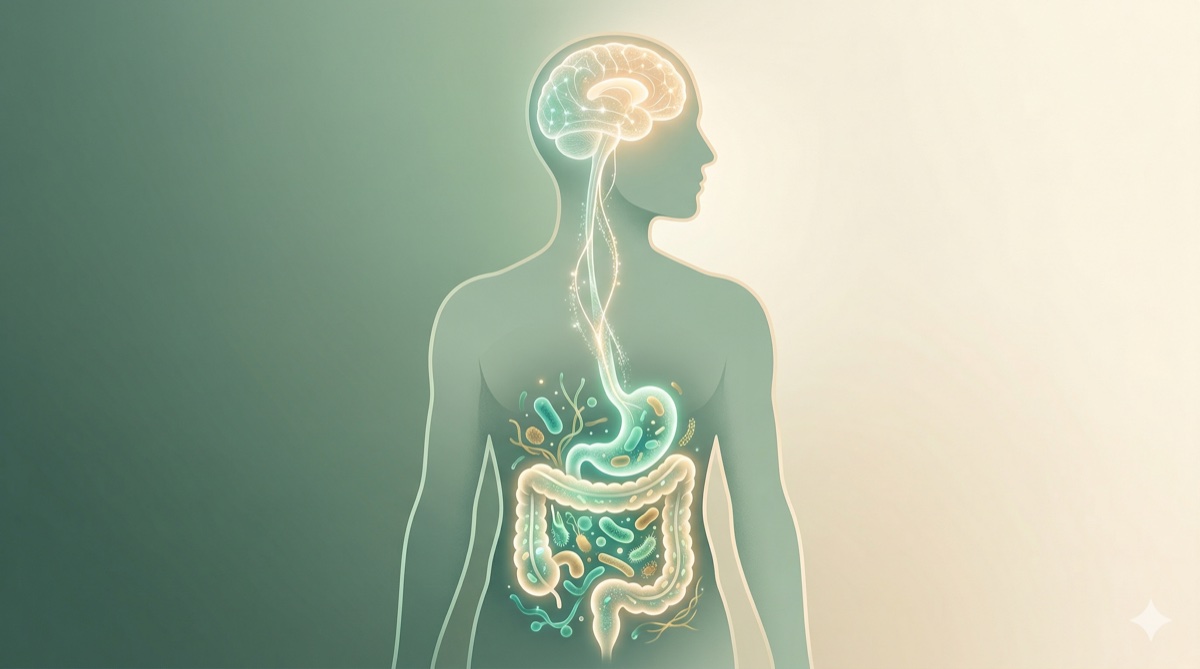
Your digestive system does far more than process food. Often called the "second brain," your gut contains over 100 million neurons and produces approximately 90% of your body's serotonin—the neurotransmitter closely involved in mood regulation, sleep, and feelings of well-being. This means that the state of your gut health can significantly influence how you feel emotionally on a daily basis.
The Gut-Brain Axis: How Your Belly Talks to Your Mind
Your gut and brain are in constant communication through a network known as the gut-brain axis. This bidirectional highway connects your digestive system to your central nervous system through several key pathways:
- The vagus nerve: This major nerve acts as a direct communication line between your gut and brain. Signals traveling along the vagus nerve influence mood, stress responses, and emotional regulation. You can learn more about this in our guide to vagus nerve regulation.
- Neurotransmitter production: Gut bacteria produce not only serotonin but also GABA (gamma-aminobutyric acid), dopamine, and other neuroactive compounds that influence your mental state.
- Short-chain fatty acids (SCFAs): Beneficial gut bacteria ferment dietary fiber to produce SCFAs like butyrate, propionate, and acetate. These compounds have anti-inflammatory properties and may help support brain health.
- Immune signaling: Approximately 70% of your immune system resides in your gut. Inflammatory signals originating in the digestive tract can reach the brain and influence mood and cognition.
Why Sugar Makes You Feel Bad
Understanding the gut-brain connection helps explain why a high-sugar diet can leave you feeling emotionally drained. Here is what happens when sugar enters the picture:
1. Sugar Disrupts Gut Bacteria Balance
A diet high in added sugars can alter the composition of your gut microbiome. Research suggests that excess sugar promotes the growth of less beneficial bacteria while reducing populations of protective species like Bifidobacteria and Lactobacilli. This imbalance—called dysbiosis—may impair the gut's ability to produce mood-supporting neurotransmitters and beneficial compounds.
2. Sugar Triggers Inflammation
When gut bacteria become imbalanced, the protective lining of your intestines can weaken. This allows bacterial components like lipopolysaccharide (LPS) to enter the bloodstream, triggering a systemic inflammatory response. Chronic low-grade inflammation is consistently associated with mood disturbances, including symptoms of depression and anxiety. As we explain in our article about how your body responds to chronic stress, inflammation is a key mechanism through which physical states affect mental health.
3. The Blood Sugar Rollercoaster
Eating concentrated sugars causes rapid spikes in blood glucose, followed by sharp drops. This crash can trigger physical symptoms that mirror anxiety—racing heart, sweating, irritability, and shakiness. Your brain interprets these physical signals as stress, which can intensify feelings of unease and emotional instability.
4. Sugar May Impair Neuroplasticity
Some research indicates that high-sugar diets may reduce levels of brain-derived neurotrophic factor (BDNF)—a protein essential for learning, memory, and emotional resilience. Lower BDNF levels are associated with mood disorders and cognitive difficulties.
5. Sugar and Dopamine Dysregulation
Sugar activates the brain's reward pathway by triggering dopamine release. While this creates a temporary feeling of pleasure, repeated stimulation can lead to dopamine receptor downregulation—meaning you need more sugar to get the same effect. Over time, this cycle may contribute to mood instability and emotional flatness between sugar hits.
The Evidence: What Research Suggests
Several large observational studies have found associations between high sugar intake and increased risk of depression. For example, a study published in Scientific Reports found that men consuming over 67 grams of sugar daily had a significantly higher risk of developing depression over five years compared to those with lower intake.
It is important to note that much of this evidence is observational—meaning it shows correlation, not necessarily causation. People experiencing low mood may also crave and consume more sugar, creating a bidirectional relationship. More randomized controlled trials are needed to fully understand cause and effect.
Foods That Support Gut Health and Mood
The encouraging news is that dietary changes can positively influence your gut microbiome relatively quickly. Research in nutritional psychiatry suggests that what you add to your diet may matter as much as what you remove:
- Fermented foods: Yogurt, kefir, sauerkraut, kimchi, and kombucha contain live beneficial bacteria that may support microbiome diversity.
- Fiber-rich foods: Vegetables, fruits, legumes, and whole grains feed beneficial gut bacteria, promoting SCFA production. Many of these foods also appear on our list of superfoods for energy and longevity.
- Omega-3 fatty acids: Found in fatty fish, walnuts, and flaxseeds, omega-3s have anti-inflammatory properties and are associated with better mood outcomes in some studies.
- Polyphenol-rich foods: Berries, dark chocolate (in moderation), green tea, and colorful vegetables contain compounds that may support both gut and brain health.
- Prebiotic foods: Garlic, onions, asparagus, and bananas contain fibers that specifically nourish beneficial gut bacteria.
Practical Steps to Reduce Sugar and Support Your Mood
- Read labels carefully: Added sugar hides in surprising places—salad dressings, pasta sauces, bread, and even savory snacks. Look for terms like high-fructose corn syrup, dextrose, maltose, and sucrose.
- Reduce sugary drinks first: Sodas, sweetened coffees, and fruit juices are the largest source of added sugar in many diets. Replacing them with water, herbal tea, or sparkling water with citrus can make a significant difference.
- Choose whole foods: Opt for foods as close to their natural state as possible. Whole fruits contain fiber that slows sugar absorption, unlike fruit juices or processed snacks.
- Eat regular, balanced meals: Spreading meals throughout the day with adequate protein, healthy fats, and fiber helps stabilize blood sugar and reduces cravings.
- Manage stress: Stress increases sugar cravings through cortisol. Practices like breathing techniques for stress relief can help break the stress-sugar cycle.
- Prioritize sleep: Poor sleep disrupts hunger hormones and increases cravings for sugary foods. Our sleep hygiene guide can help you build better sleep habits.
Important Considerations
Diet is one of many factors that influence mood and mental health. If you are experiencing persistent feelings of sadness, anxiety, or emotional distress, dietary changes alone may not be sufficient. Consulting with a healthcare professional or mental health specialist is always recommended for ongoing concerns. A balanced diet can be a valuable complement to—not a replacement for—professional support.
Small Changes, Real Impact
The relationship between your gut and your mood is a powerful reminder that physical and emotional health are deeply intertwined. Every meal is an opportunity to nourish not just your body but also the trillions of microorganisms that influence how you feel. You do not need to eliminate sugar completely or overhaul your diet overnight. Even small, consistent changes—swapping one sugary snack for a handful of nuts, adding fermented foods a few times a week, or simply drinking more water—can begin to shift the balance in your gut and, over time, in your mood.
Start with one change today. Your gut—and your mind—will thank you.
- Yano JM, et al. (2015). "Indigenous bacteria from the gut microbiota regulate host serotonin biosynthesis." Cell, 161(2), 264–276. doi:10.1016/j.cell.2015.02.047
- Cryan JF, Dinan TG. (2012). "Mind-altering microorganisms: the impact of the gut microbiota on brain and behaviour." Nature Reviews Neuroscience, 13(10), 701–712. doi:10.1038/nrn3346
- Knüppel A, Shipley MJ, Brunner EJ. (2017). "Sugar intake from sweet food and beverages and common mental disorder — prospective findings from the Whitehall II study." Scientific Reports, 7, 6287. doi:10.1038/s41598-017-05649-7
- Carabotti M, et al. (2015). "The gut-brain axis: interactions between enteric microbiota, central and enteric nervous systems." Annals of Gastroenterology, 28(2), 203–209.
- Jacka FN, et al. (2010). "Association of Western and traditional diets with depression and anxiety in women." American Journal of Psychiatry, 167(3), 305–311. doi:10.1176/appi.ajp.2009.09060881
- Sarris J, et al. (2014). "Nutritional medicine as mainstream in psychiatry." The Lancet Psychiatry, 1(4), 271–274. doi:10.1016/S2215-0366(14)70286-4